How DIY Sensory Play Transforms Neurodivergent Learning
- Alessia Holowachuk
- Nov 4, 2024
- 4 min read

In the vibrant tapestry of childhood, sensory play emerges as a powerful tool, intertwining the essential elements of learning and development. For neurodivergent children, who perceive the world through a unique and beautiful lens, sensory play offers significant benefits. Imagine a space where every texture tells a story, every sound creates a symphony, and every colour brings new possibilities. Through DIY sensory activities, we can create such an environment. By engaging the senses, we promote sensory development, emotional regulation, and social skills in a sensory-rich environment where children can thrive. This guide provides practical, heartfelt advice to transform everyday materials into playful learning experiences. From creating colourful play dough to designing sensory bins filled with exploration, it encourages a journey of discovery where potential is celebrated, and neurodivergent learning becomes a joyful adventure.

Benefits of Sensory Play
Enhancing Sensory Development
Sensory play is pivotal in supporting the sensory development of neurodivergent children, providing a foundation for learning through interaction with various textures, sounds, and colours. This form of play allows children to create new neural pathways, aiding cognitive growth. Simple activities like playing with water, sand, or homemade materials, such as play dough, can enhance sensory awareness and fine motor skills. For example, kneading play dough helps improve tactile sensitivity and fine motor coordination.
In addition, sensory play supports emotional regulation by offering a space where children can express themselves safely. Through these experiences, children can explore and learn at their own pace, gaining a deeper understanding of their sensory preferences (O’Brien, 2021).

Emotional Regulation through Play
Sensory play also promotes emotional regulation in neurodivergent children. These activities provide a structured yet flexible environment where children can manage their emotions healthily. For example, repetitive motions, such as squeezing a stress ball or molding play dough, can help alleviate anxiety and stress (Smith, 2020). Through these experiences, children learn to recognize and respond to their emotional states.
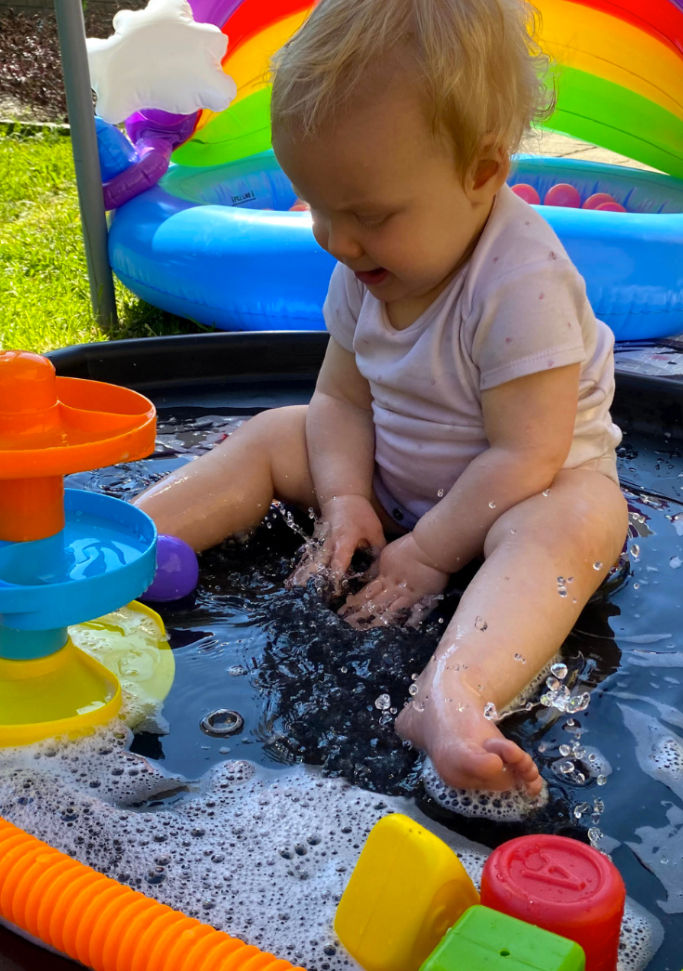
Water play, in particular, is calming and can help children transition from states of stress to relaxation. When incorporated into daily routines, sensory activities build resilience and foster coping mechanisms that extend beyond playtime (Jones, 2019).
Promoting Social Skills
Sensory play encourages social interaction and the development of essential social skills. Activities such as sharing a sensory bin with peers promote communication and collaboration, teaching children how to work together and share materials. This helps develop social interaction skills, such as turn-taking and patience (Brown, 2018).
Group sensory play also allows children to express their needs and understand others' perspectives, helping to foster empathy and communication. As children engage in these activities, they form meaningful connections, reducing feelings of isolation and promoting a more inclusive community (Brown, 2018).

DIY Sensory Activities
Creating Your Own Play Dough
DIY play dough is a simple, engaging sensory activity that can be customized to fit a child's preferences. Using common household items—flour, salt, water, vegetable oil, and cream of tartar—you can make a soft, pliable dough that encourages tactile exploration (O’Brien, 2021). Adding food colouring or essential oils further enhances the sensory experience.
This activity supports fine motor development and provides children with opportunities to be creative. Kneading, rolling, and shaping the dough engages multiple senses, aiding in emotional regulation and sensory development.

Building Sensory Bins at Home
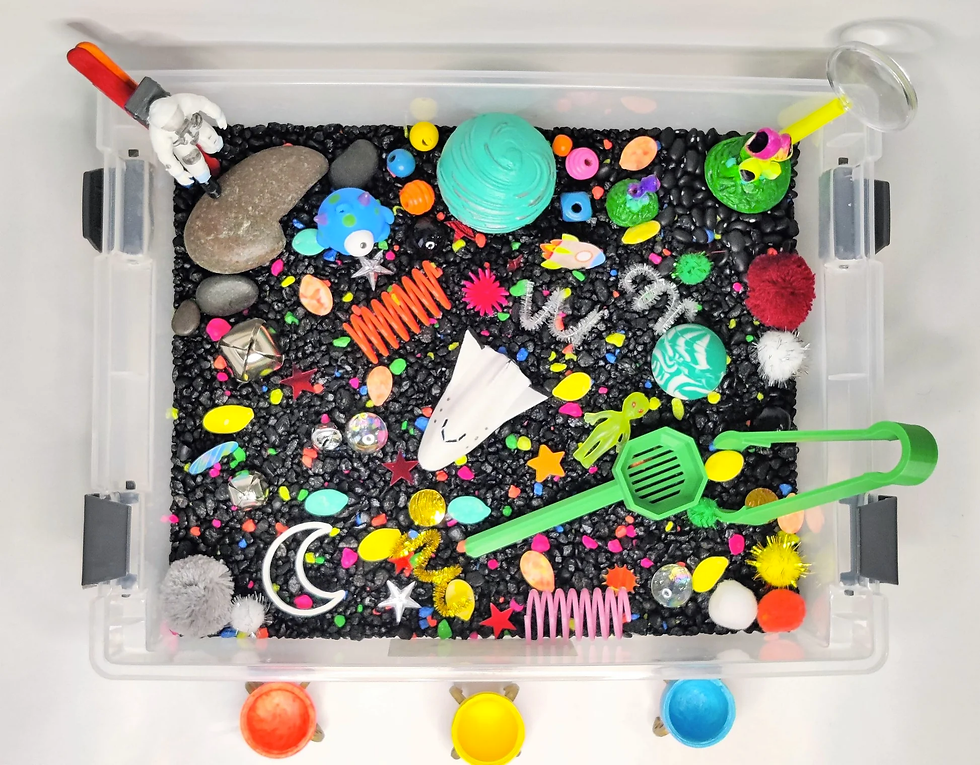
Sensory bins offer versatile, DIY sensory play that encourages exploration. These bins can be filled with materials like rice, beans, or pasta, and customized with small toys or scoops to enhance engagement. Creating sensory bins at home supports fine motor skills and offers opportunities for imaginative play (Smith, 2020).
By selecting themes, such as an "ocean adventure" with seashells or a "prehistoric dig" with dinosaurs, sensory bins can foster creativity and language development. These bins adapt to the child’s evolving interests, making them an excellent tool for supporting neurodivergent learning.
Exploring Textures and Materials
Exploring different textures and materials is essential for enhancing tactile awareness. A texture board or sensory path, made from various materials like fabric or natural elements, encourages children to touch, describe, and explore. This activity stimulates sensory development and improves descriptive language skills (Jones, 2019).
Incorporating diverse textures into sensory activities helps maintain engagement and continually challenges the child’s sensory processing abilities. These experiences transform everyday objects into learning tools, fostering a rich, sensory environment.

Fostering a Sensory-Rich Environment
Tailoring Activities for Neurodivergent Learning
It is important to tailor sensory activities to meet the needs of neurodivergent children. Observing a child’s sensory preferences—whether they are sensory seekers or avoiders—can help create more engaging and comfortable activities. For example, sensory seekers may enjoy intense input like jumping on a mini trampoline, while sensory avoiders may benefit from quieter experiences, such as listening to calming music (O’Brien, 2021).
By adjusting the intensity and duration of sensory input, caregivers can create a sensory-rich environment that encourages exploration and self-regulation.
Encouraging Exploration and Growth
Encouraging children to explore their surroundings in a sensory-rich environment supports their curiosity and development. Sensory stations that engage various senses—such as sorting colourful objects, using scented play dough, or playing with musical instruments—help children process sensory information more effectively (Smith, 2020).
Through encouragement and participation, caregivers can model positive interactions, creating a supportive atmosphere that promotes independence and confidence. By fostering exploration, children can embrace their unique ways of experiencing the world, leading to significant developmental progress.
References
Brown, L. (2018). Play therapy techniques for neurodivergent children. Pediatric Therapy Journal, 45(3), 150-165.
Jones, A. (2019). Sensory integration and emotional regulation: Strategies for neurodivergent learners. Child Development Review, 32(2), 88-95.
O’Brien, T. (2021). Supporting sensory development through play: A guide for parents and educators. Journal of Child Psychology, 39(4), 210-225.
Smith, J. (2020). The role of sensory play in early childhood development. Early Childhood Studies Journal, 29(1), 45-63.


Comments